|
We are pleased that one our museum displays was recognized by the USS Landing Craft Infantry National Association and a story published in their official newsletter. The USS LCI National Association's mission is to honor World War II Landing Craft Infantry veterans for their service to our country and to preserve the history. See pages 4 and 18 - 22 in the link below to read more about this unique display with interesting connections.
USS Landing Craft Infantry National Association
0 Comments
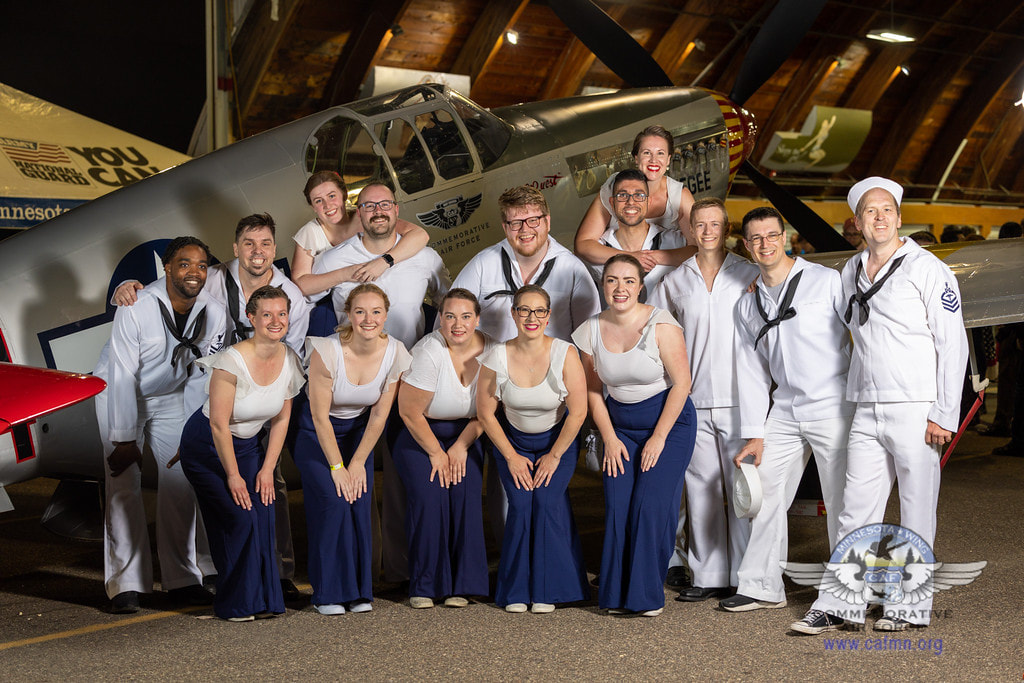
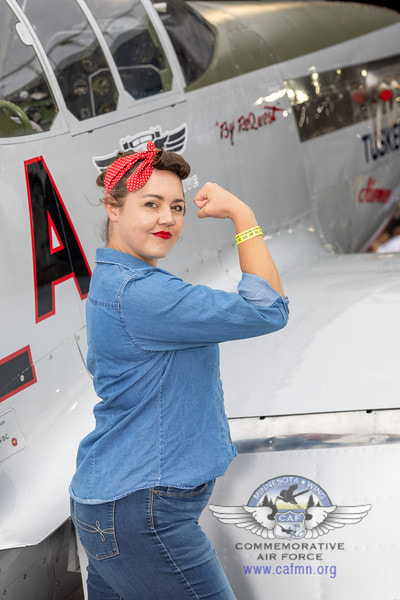
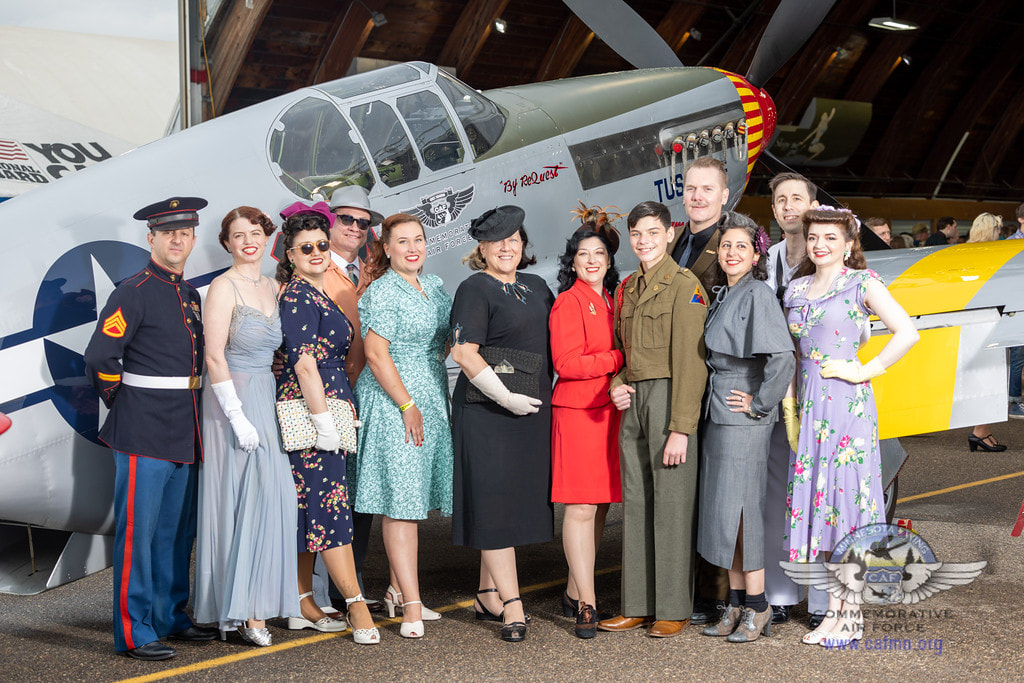
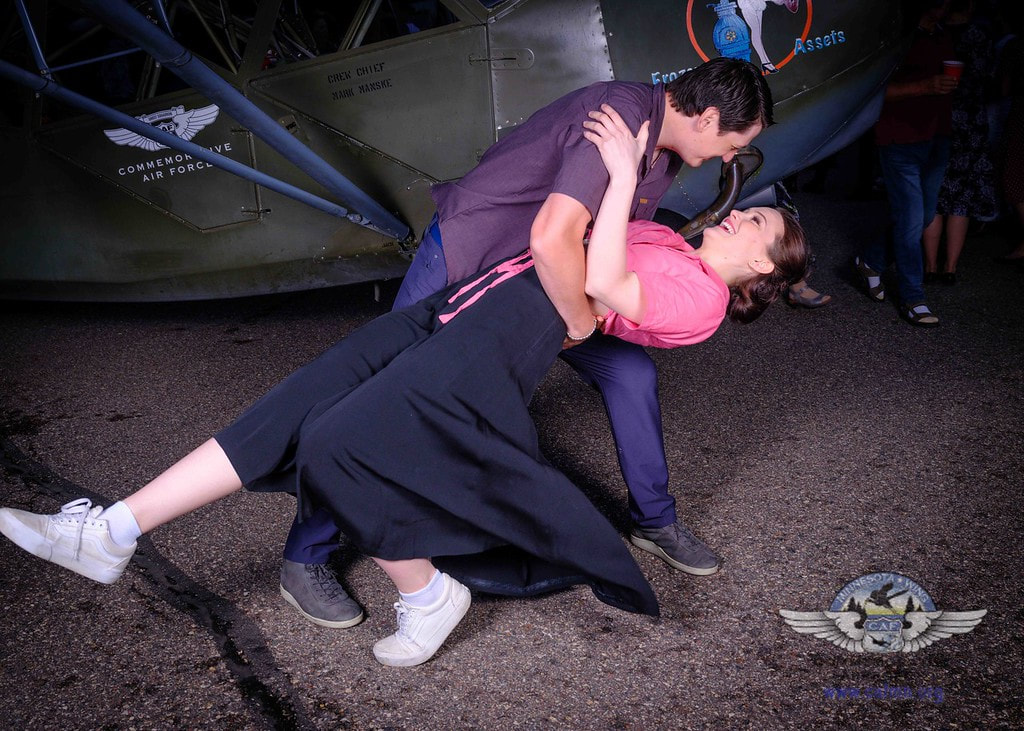
Our Spring Swing Big Band Hangar Dance photos are live. THank you to Mark Naumann and his crew for capturing the evening. To view all the photos, click here. 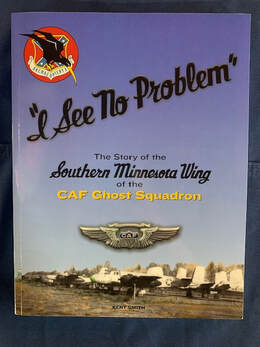 The Commemorative Air Force Minnesota Wing is pleased to announce that the Limited Edition Book “I See No Problem”, written by written by longtime member Kent Smith along with other Wing Members and volunteers has been awarded best aviation book of the year from the Minnesota Aviation Hall of Fame and will be presented with an award on Saturday, April 1, 2023 at their annual ceremony.
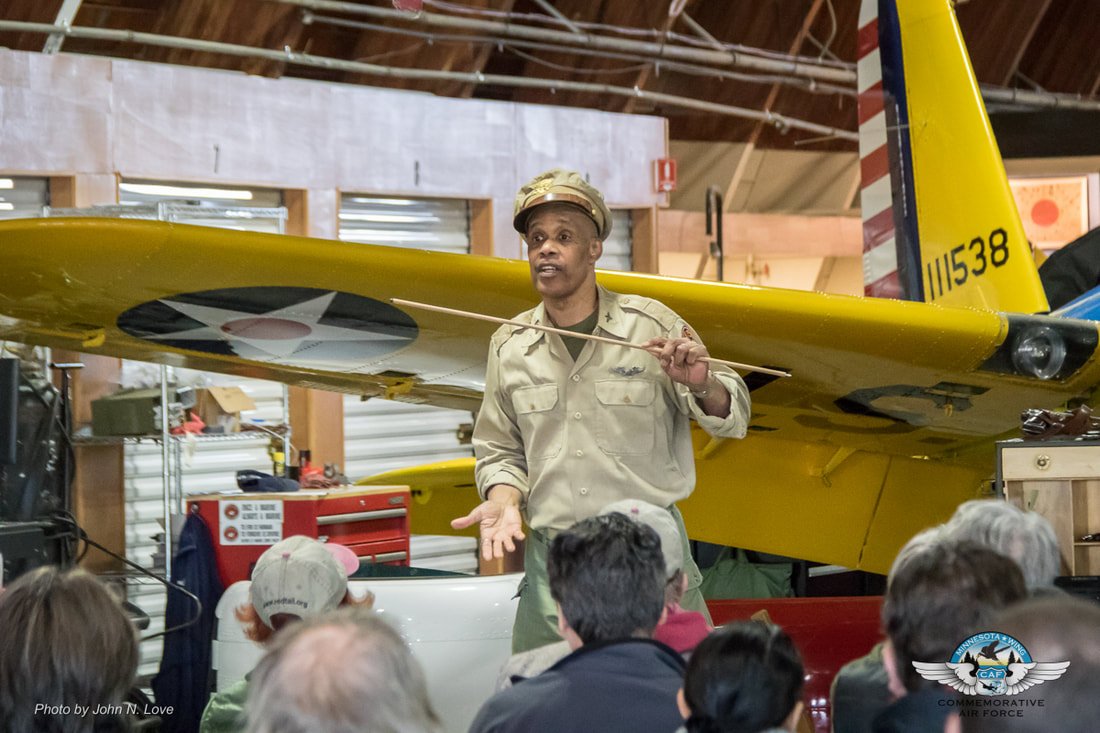
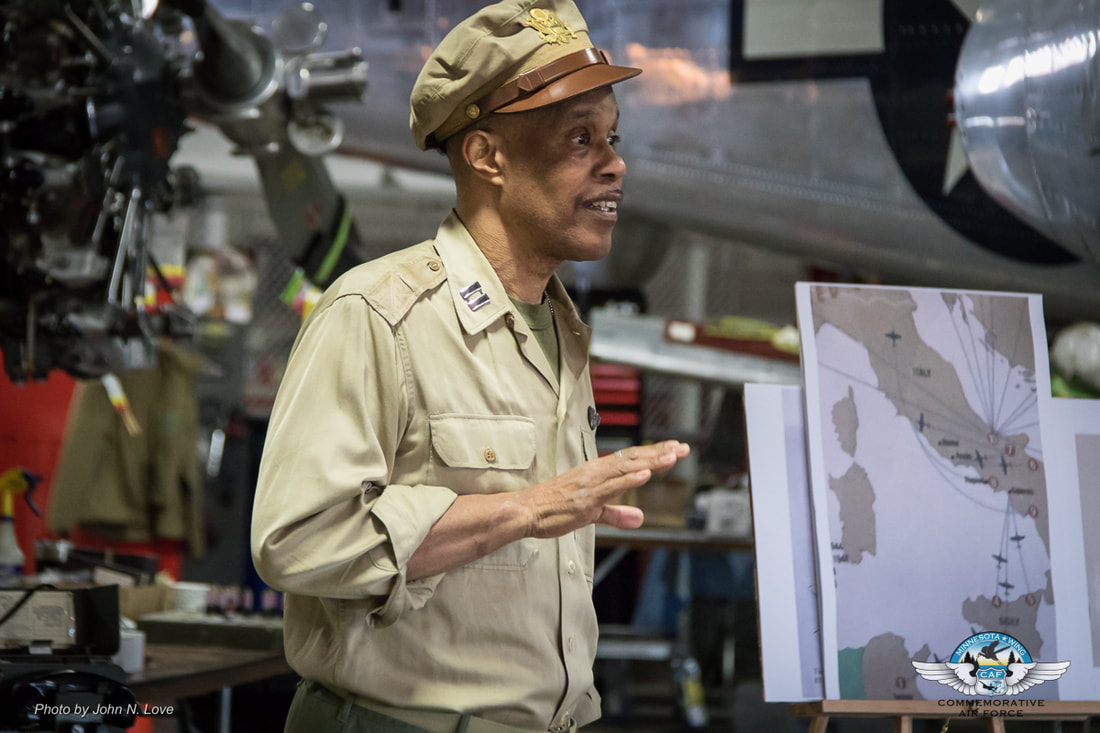
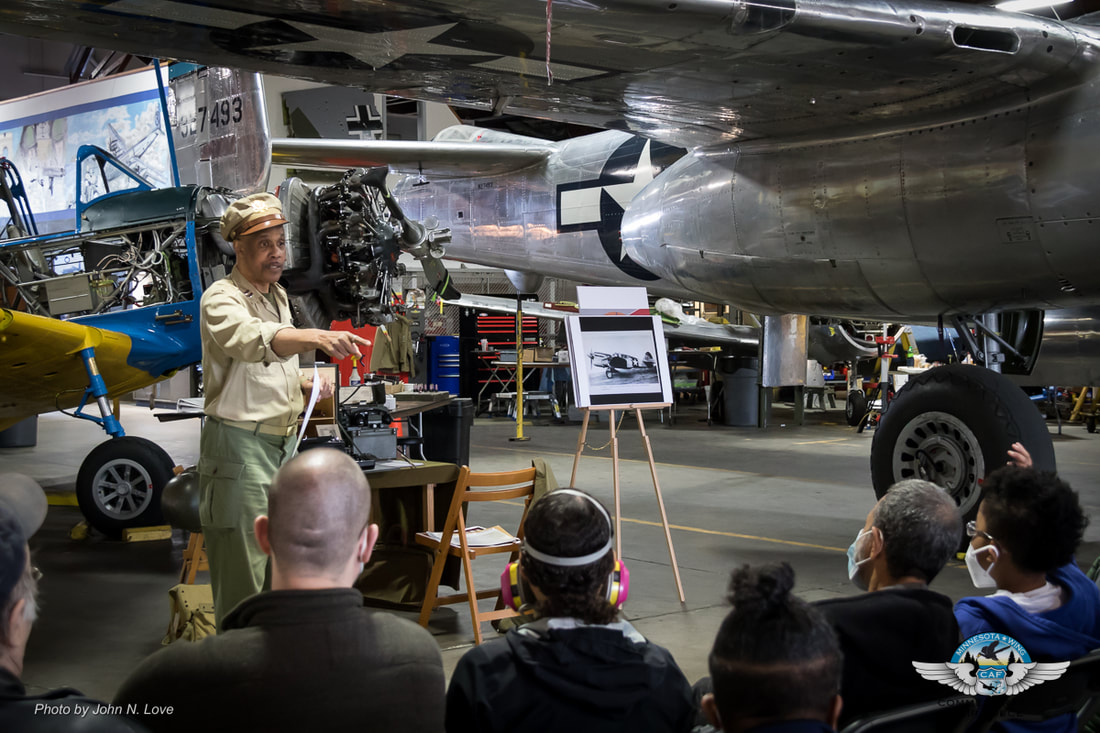
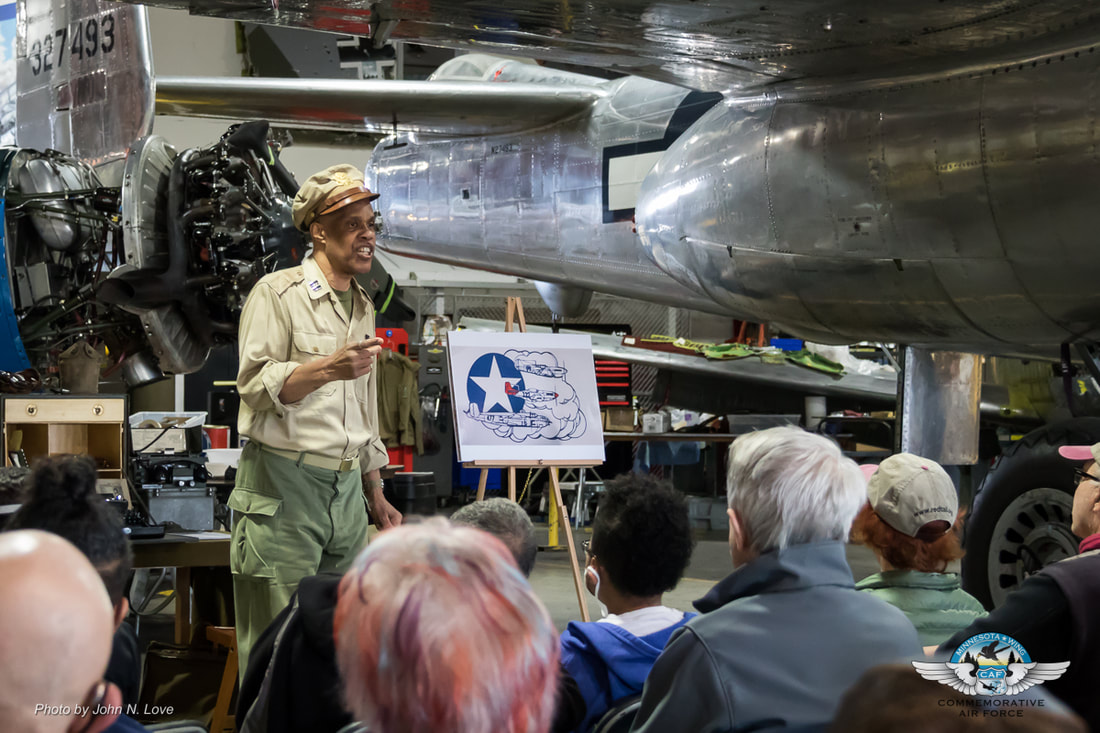
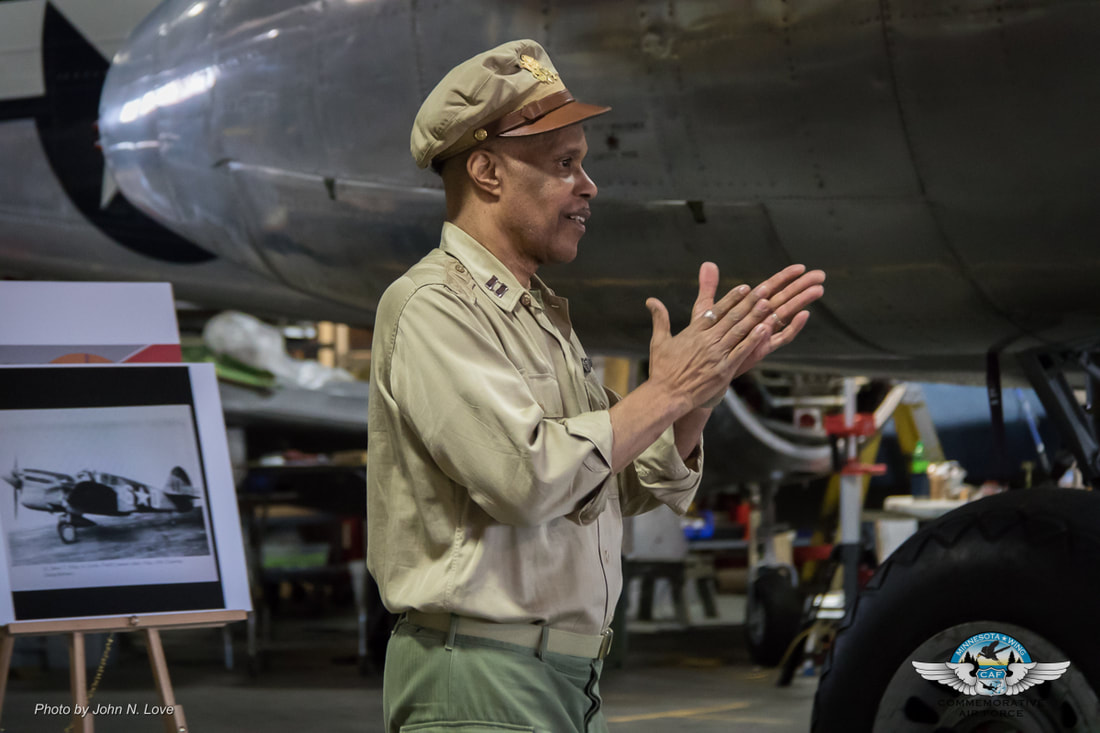
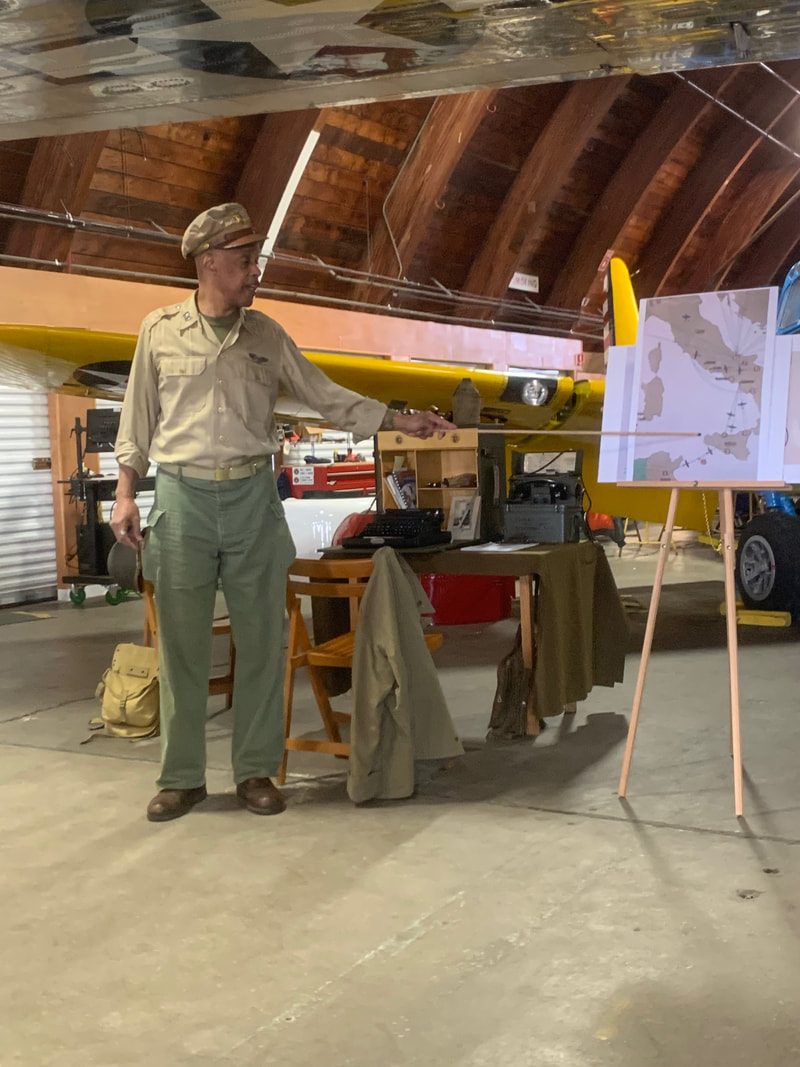
The limited edition, “I See No Problem” book recounts the early history of the Southern Minnesota Wing (now Minnesota Wing) of the Commemorative Air Force. The Minnesota Wing was the first Chartered Unit of the Commemorative Air Force on July 3. 1971 and has a rich history within the Twin Cities that is shared with the book. The story is told with previously unpublished photos covering the history of the Minnesota Wing and Midwest Warbird operations from the 1950s to today. Detailed histories of the Wing’s aircraft, as well as the story of the B-25 Miss Mitchell and the volunteers behind the 12-year restoration process. The book is also dedicated to Randy Sohn, one of the founding members of the CAF Minnesota Wing. Randy is also to be inducted in this year’s ceremony. If you would like to be present during the award ceremony, please visit their MAHOF website. You can also purchase copies of the book onsite after the event or through the CAF Minnesota Wing’s website. You can also visit the museum any Wednesday or Saturday between 9:30am and 5:30pm to pick up a copy. Proceeds from the sale of the book go to an endowment fund for the long-term preservation of the B-25 Miss Mitchell Our featured artifact is a bundle of radar jamming foil strips that were commonly referred to as ‘chaff’ during WWII. It is a somewhat common misconception that the British were the first to develop RADAR during WWII. This is probably due to the widespread attention given to the tall radio transmission towers that were commonplace along the British coast of the English Channel that were successfully used in detecting incoming German bombers during the Battle of Britain in the summer of 1940. However, RADAR’s (an acronym for RAdio Detection And Ranging) origins can be traced as far back as the late 1800’s, when in 1886 a German Physicist named Hertz showed that radio waves could be reflected from solid objects. As is often the case, word spread in the scientific community. Independent researchers in Britain, France, Italy, Germany, Japan, the Netherlands, the Soviet Union and the United States realized the value of this technology and worked independently and in great secrecy on developing the system which would become modern RADAR. Essentially, RADAR uses radio waves to determine distance (range), angle and velocity of the object in relation to the radar site. The acronym (RADAR) was first coined by the U.S. Navy in 1940 and the term ‘radar’ became commonplace thereafter. Along with the British and Americans, the Germans also had their own functioning radar system at the outbreak of WWII. They had not only developed long range radars to detect incoming bomber streams, but had also developed smaller microwave radar systems that could be used to direct Flak gun batteries as well as searchlights towards incoming aircraft to great effect. As with any technology during wartime, attention was quickly turned towards an effort to counter the radar systems. Like the development of radar, the idea of a countermeasure to radar was simultaneously being developed in the UK, Germany, the United States and Japan. In 1942, it was a Welsh researcher by the name of Joan Curran that first came up with the idea of dumping packs of size-specific aluminum strips from aircraft to generate a cloud of false echoes to the originating radar. It was discovered that the system was most effective when the strips were cut to a length and width that was one half of the target radar’s wavelength. When the chaff was hit by the radar beam, it would resonate and re-radiate the signal back, virtually cluttering and overwhelming the radar signal. The opposing radar operator would find it almost impossible to distinguish aircraft from the echo caused by the chaff and therefore mask the location and speed of the aircraft. Unknowingly, the Germans and Japan had also developed similar countermeasures. The British called theirs ‘window’, Germany had ‘duppel’ and the Japanese had ‘giman-shi’ (deceiving paper) as well as the American ‘chaff’. Both the Axis and the Allies were hesitant to use the countermeasure in fear that the technology would soon be discovered by the other side and used against them. RAF Bomber Command was finally given permission by Air Chief ‘Bomber’ Harris for use in Operation Gommorah, the night bombing raid on Hamburg in July of 1943. The results were overwhelmingly successful. With the radar systems swamped by false echoes, searchlights wandered aimlessly around the night sky and flak guns fired randomly and failed to locate the bomber stream. Chaff was used regularly thereafter by the Allies. Initially chaff was simply heaved out open windows on the bombers until modifications were made using a designed chute in which chaff was fed through the aircraft into the slip stream at timed intervals. Later, automatic chaff dispensing systems were developed. Chaff was used successfully throughout the remainder of the war until the Germans developed new technologies that helped counter their effect. Our example of bundled chaff strips are roughly 16” long by 1mm wide and would have been used against a specific type of radar. Other examples of wider or longer aluminum strips would have been used against radars of a different (i.e.- long range vs. short range radar) wavelength. The bundles shown were designed to break apart in the slipstream and release its contents into the air. Chaff was a cheap and simple, but effective development which undoubtedly saved countless lives of airmen during the second world war. 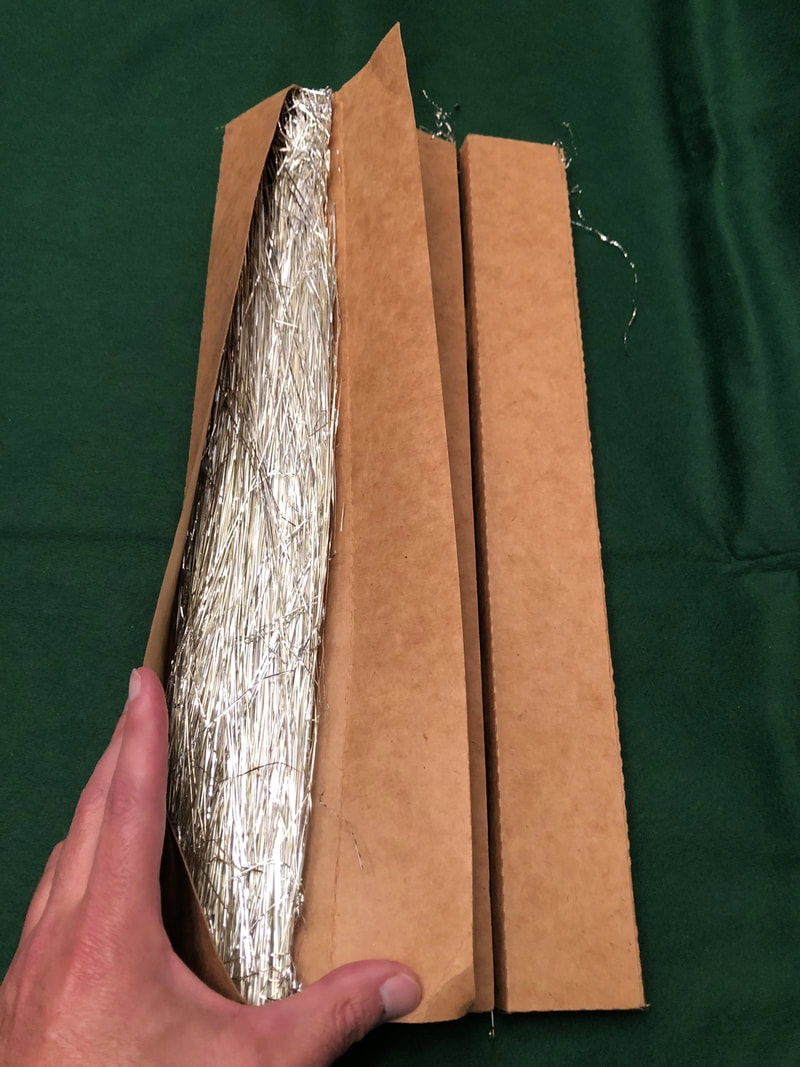 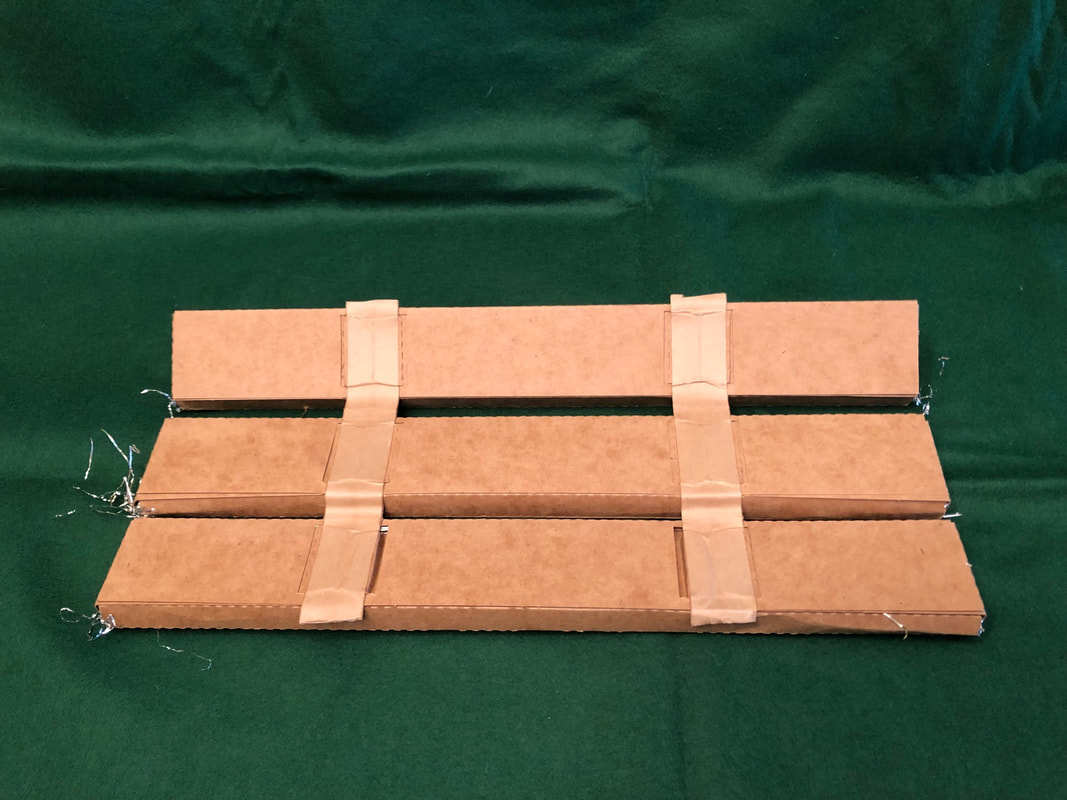 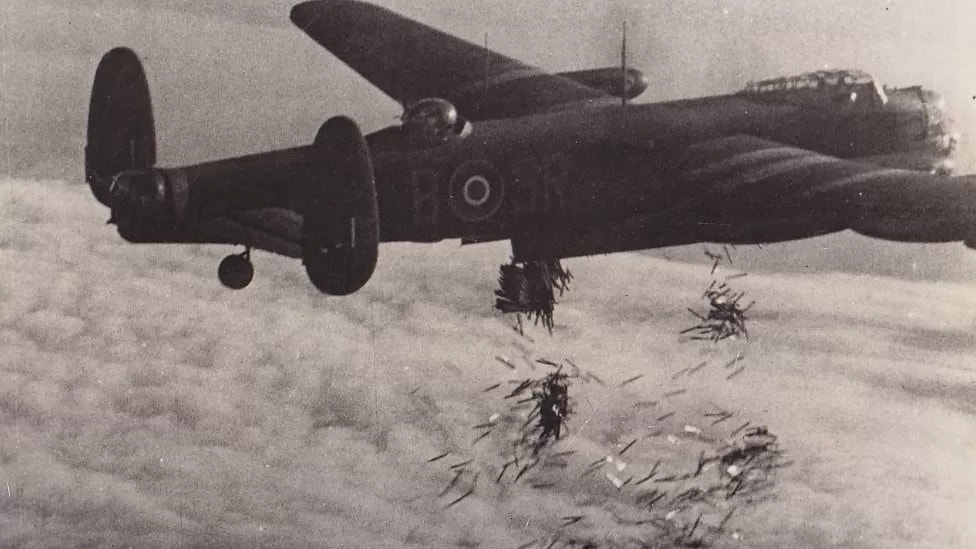 Among the many interesting things we have in storage are two radios that might have been used to listen to news about the fighting during World War II. The older of the two is a Philco model 610 radio. This make and model was made in 1935 and 1936. This is known as a "tombstone" radio, given its resemblance to a tombstone. Typical of 1930's vintage radios, it has a small window in the center to see which radio station is being tuned into. Another picture taken of the back of this radio shows its internal components. Among the internal parts is a device known as a vacuum tube. It was used to amplify (increase the strength of) the received radio signal. Vacuum tubes were replaced by transistors many years ago, so for a lot of young people today the tubes are a strange sight. Philco was an electronics manufacturer that was headquartered in Philadelphia, Pennsylvania, and the model 610 was one of many radios produced by that company. Once the war began, many products were no longer produced, or production was reduced due to the demands of military equipment production for the war. It is therefore likely that radios from the 1930's that still worked were kept in use as the supply of new civilian radios decreased. The other radio seen here is a Sonora LWU-181. Despite the above mentioned war production changes, it was introduced during the war in 1942. A big difference from the Philco can be seen with the bigger radio tuning indicator. The Sonora company label can be seen just below the speaker. It includes a picture of a bell because of the "clear as a bell" slogan on company advertisements. It is difficult to find information about the Sonora Corporation. Definitely not in existence anymore, it went out of business in January, 1957. These radios are interesting objects from a time when families gathered around the radio to listen to news and entertainment programs before the introduction of television sets. On radios such as these one could have listened to news of the Normandy Invasion or one of President Roosevelt's "fireside chats." 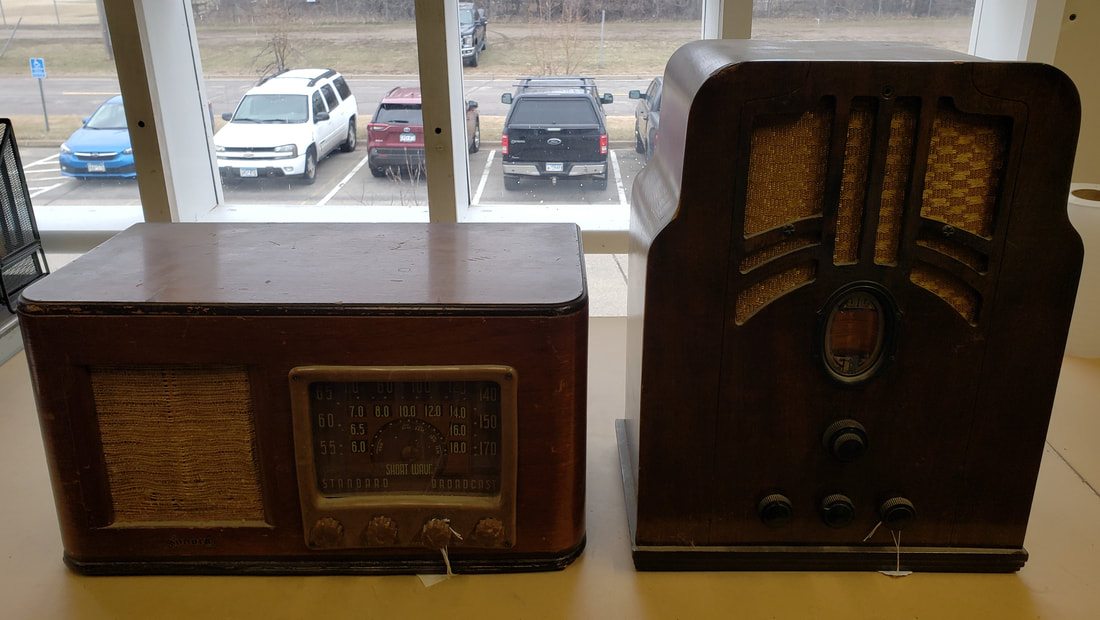 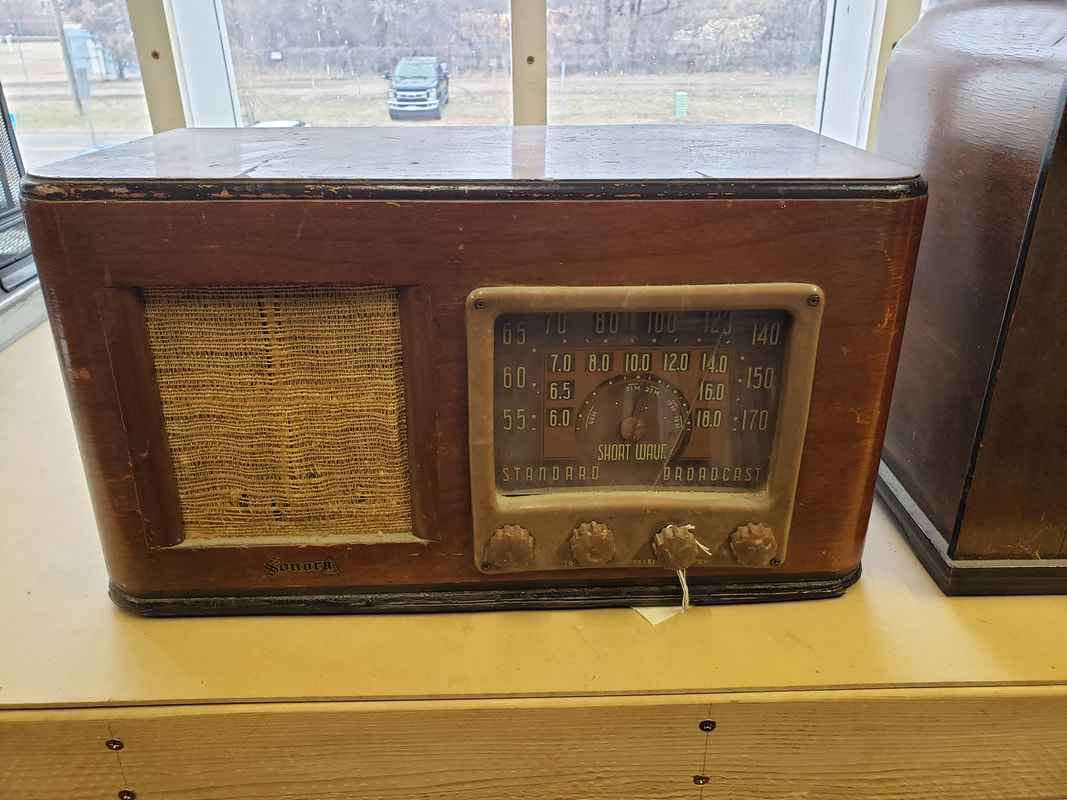 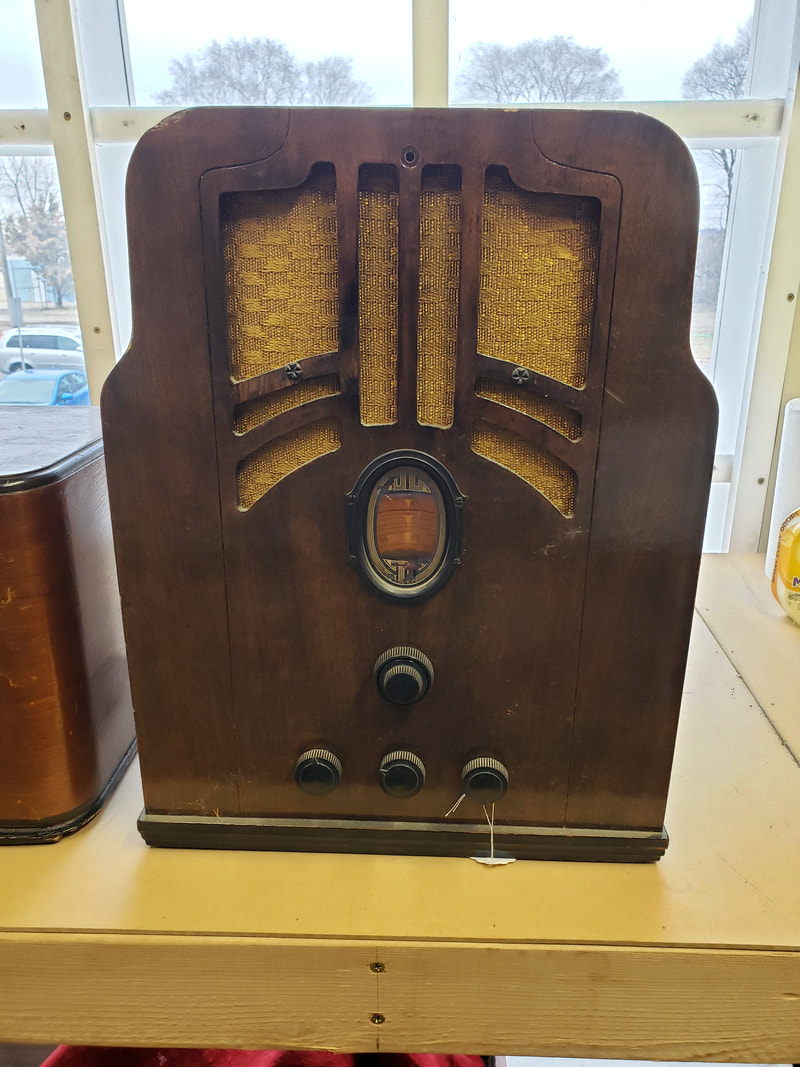  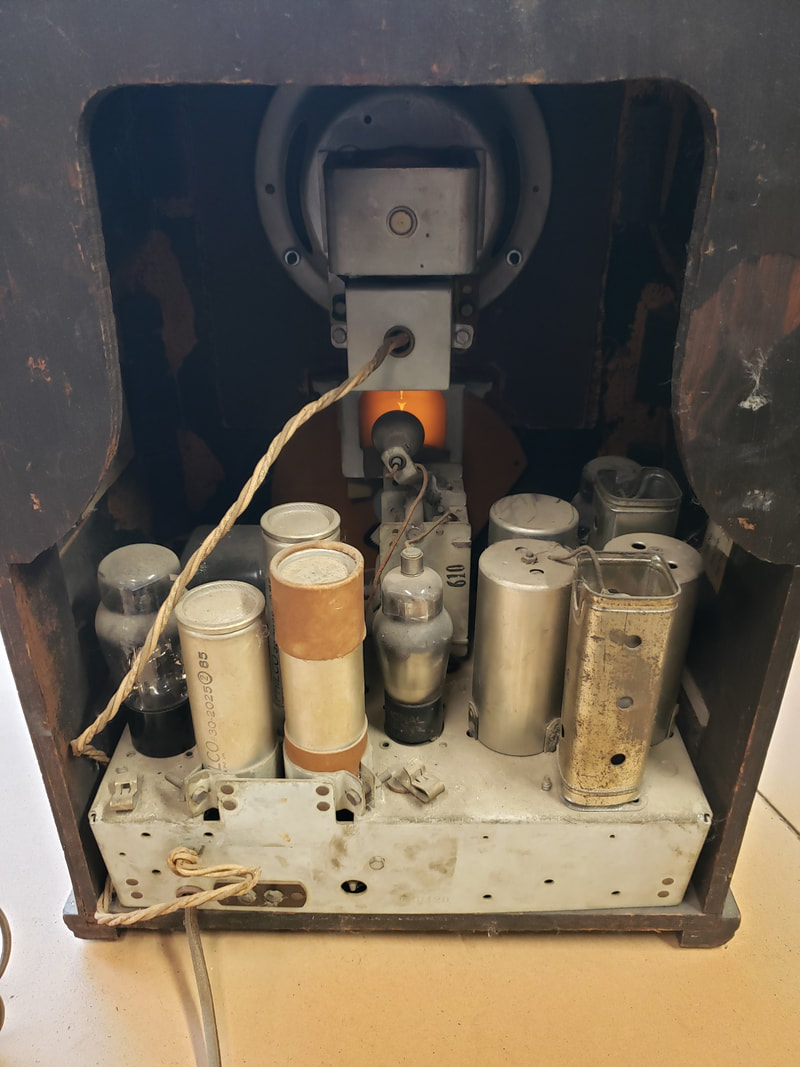 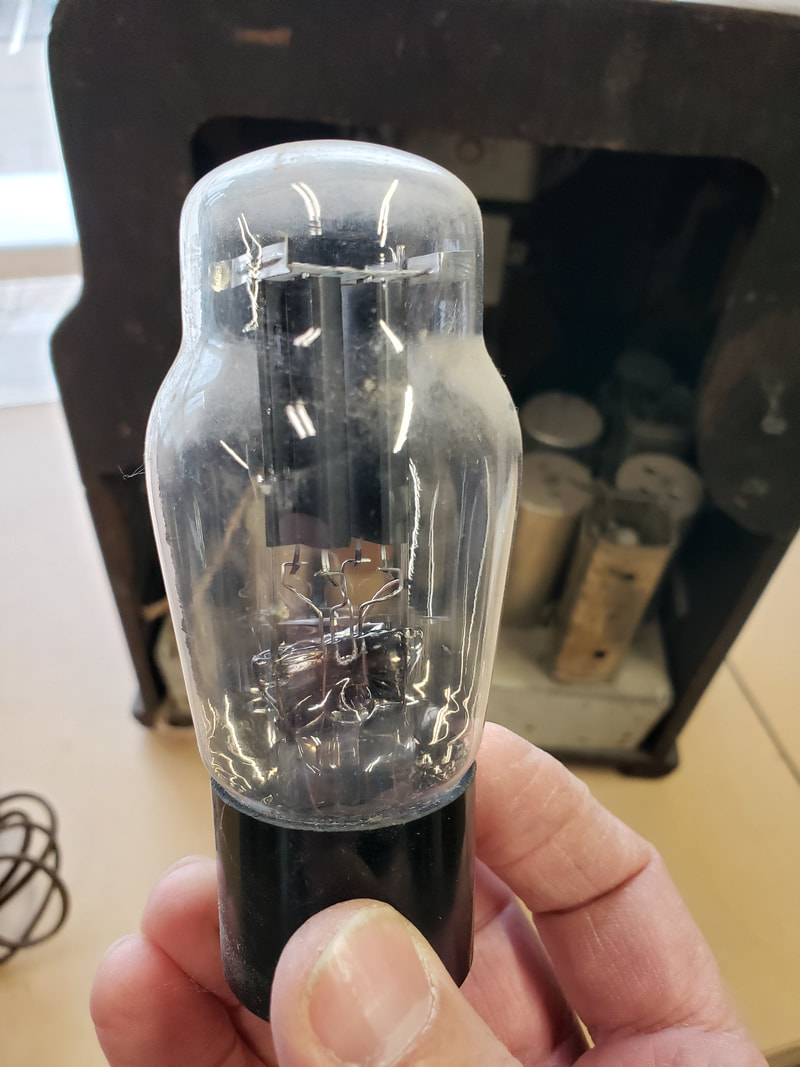 This months museum spotlight is about a recent event at the museum where WWII Historian and Reenactor Joel E. Brown talked about the Tuskeegee Airmen. Below is an article he wrote about the presentation and some pictures from the event. 99th Fighter Squadron Over Anzio (Tuskegee Airmen with 12th Tactical Air Force WWII) by WWII Historian Joel E. Brown Toward the end of April 1943, the 99th F.S. was the first contingent of African American fighter pilots to reach the war zone in WWII. Eight days before the invasion of Sicily on July 2nd, 1943 while escorting B-25 medium bombers of the 12th Tactical Air Force flying out of Tunisia, a F.S. pilot shot down an attacking German FW-190. His name was Charles B. Hall of Indiana, the first African American to confirm an air to air victory in WWII. (However preceding Charles B. Hall with the distinction of being first in shooting down an enemy aircraft was Dorie Miller on the battleship Arizona at Pearl Harbor on the first day of North America's entrance into WWII, December 7th, 1941. Using a .50 cal. heavy machine gun mounted on an upper deck of the battleship, Dorie Miller shot down as many as five (5) attacking Japanese aircraft. Eleven months later during the Allied invasion of North Africa, early November 1942 Black gunners of the 450th Anti-Aircraft Battalion from on board a naval vessel destroyed a German fighter-bomber). It would be over six months from July of 1943 before the 99th pilots confirmed their next air victory. On January 22nd, 1944 Allied forces landed at Anzio on the SW coast of Italy. During this period the 99th was fourth squadron of the 79th Fighter Group. The 12th Tactical Air Force was made responsible for isolating the battle area to prevent enemy forces from bringing up reinforcements and supplies necessary for a successful counterattack. On the morning of January 27th A Flight of the 99th led by Captain Clarence Jamison spotted a group of enemy fighters over the Anzio beachhead. In less than four minutes the American pilots had downed five enemy aircraft. That afternoon three more enemy aircraft were destroyed by the 99th pilots. On January 28th the 99th was credited with four more, Captain Charles B. Hall confirming two. Between February 5th and 10th the 99th got another four, bringing their total to date 17 confirmed, 4 probables, and 6 damaged. The success of the 99th now brought official commendation from U.S. military sources previously negative on its future. On 19 March 1944 the 99th was tasked with knocking out the 280 mm RR Gun called; Anzio Annie, Anzio Express, or Leopold by the Germans. Eight P-40's were sent out to find tunnel openings in which the railroad gun might be hiding. When the tunnel was located four bombs were dropped. One American P-40 was damaged by flak, but Annie was permanently silenced. 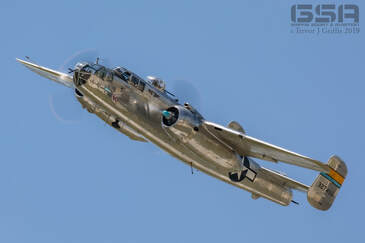 This week our maintenance team unfortunately discovered critical engine damage on our B-25 Miss Mitchell and have been working to repair it. Over the weekend, we discovered that the engine is not repairable by our maintenance team, but will require a full engine overhaul and will need to be sent back to the engine overhaul facility.
It is with deep sadness that we will not be able to participate in the Raid Across South Dakota or the Ellsworth Airshow. Our volunteers have truly been looking forward to both events. We hope that the engine overhaul can be completed quickly so that we can prevent additional show cancellations this season. If you would like to contribute to our engine fund, please click here to help us get back in the air. We truly appreciate your support and understanding. This month’s featured artifact is a May 20th, 1944 issue of the ‘Penguinews’, a twice-monthly newsletter published by Naval Air Station Minneapolis throughout the war. The magazine’s name was derived from the air station’s insignia featuring a penguin on skis (a light-hearted nod to our northern location and climate) and was designed by Walt Disney Studios per direct request and adopted by the base in 1941. The Penguinews was published by the public relations department on base and had its own production staff, editors and photographers. The publication was available to all on base and could be mailed out to personnel domestically for 1 ½ cents or 6 cents overseas. The featured issue’s cover photo shows personnel of the U.S. Naval Women’s Reserve (‘WAVES’) working on the finer points of airframe fabric covering as a cadet and instructor walk past several N2S training aircraft on the tarmac in the spring of 1944. The newsletters were a realistic snapshot of life on the base during WWII. Most of the issues contained humorous or playful news from around the station, upcoming events such as parades, picnics and sporting events on base as well as the latest entertainment available such as what movies were being shown at the base theater or the latest books available in the base library. The newsletters also include the names of individuals highlighted for a particular talent in the ‘Meet Your Mates’ or ‘Cadet of the Week’ sections as well as the names of current and former base personnel that may have been promoted, received awards or became casualties overseas. There was often an inspirational message from the base chaplain and important war news was often mentioned. Most issues also included a separate page or a highlight of things happening at our own Fleming Field. Naval Air Station Minneapolis consisted of two bases with the main ‘A Base’ being located at Wold-Chamberlain Field (the current location of Minneapolis international Airport) and the auxiliary ‘B Base’ located ten miles to the east at Fleming Field in South Saint Paul. The addition of the B Base at Fleming Field roughly doubled the capability of the base to train aviation cadets when it was established in 1943. The sole mission of Naval Air Station Minneapolis during the war was to serve as a primary training base for aviation cadets learning to fly and to prepare them for advance training prior to combat. While the pilots often got the glory, these publications illustrate that we would be remiss not to highlight the many dozens of supporting roles on the base making their own contribution to the war effort including the WAVES, storekeepers, seamen, yeomen, radiomen, mechanics, meteorologists, parachute riggers, metalsmiths and various other specialties that were absolutely vital in fulfilling that mission. 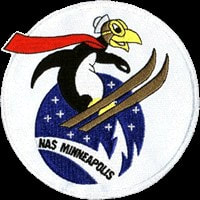  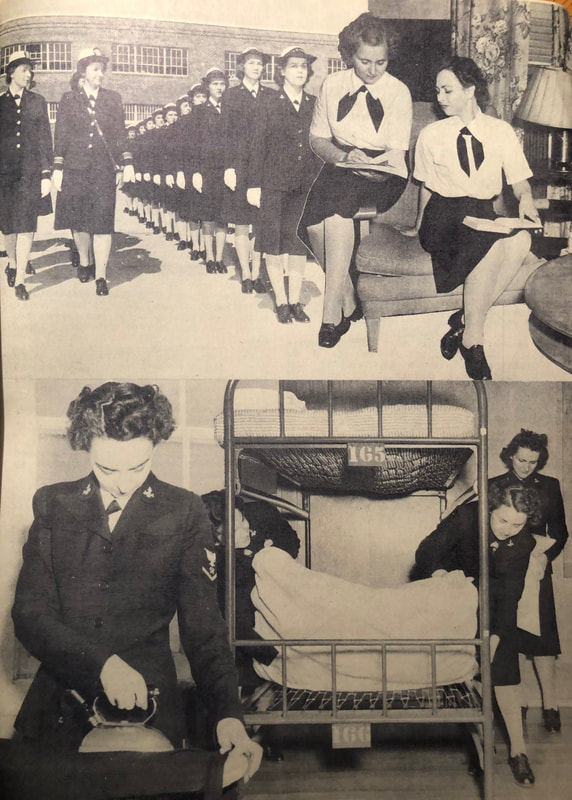 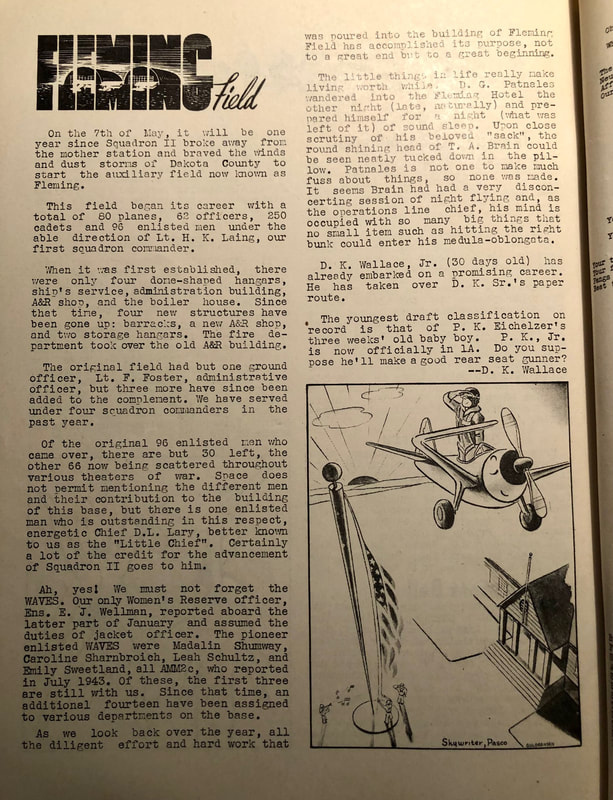  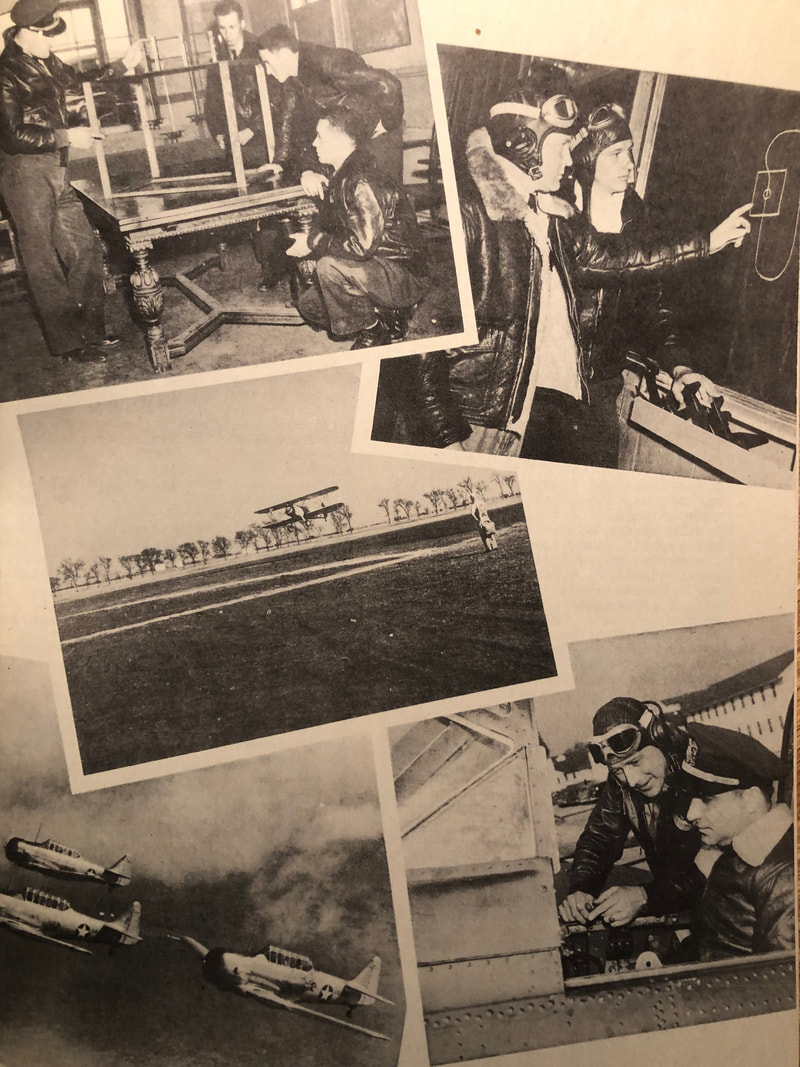 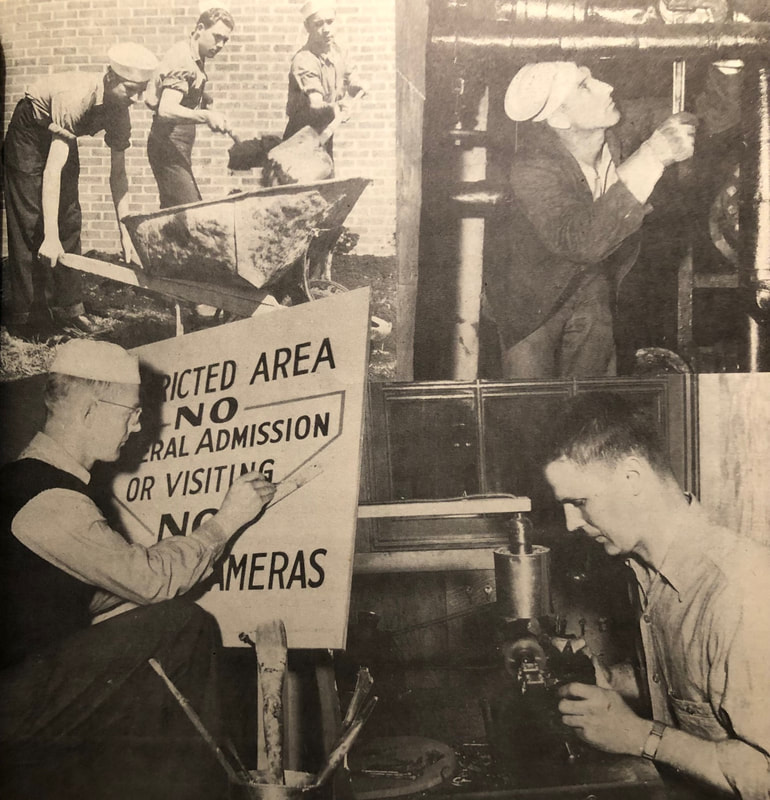 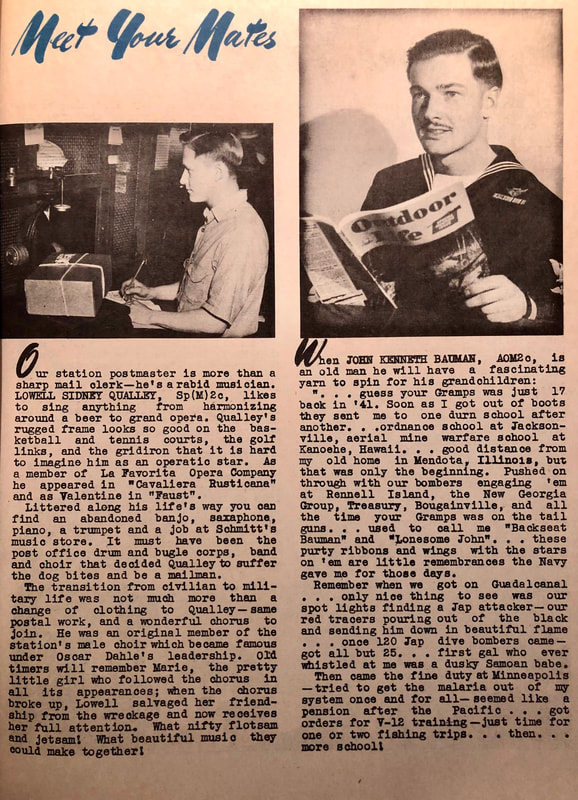 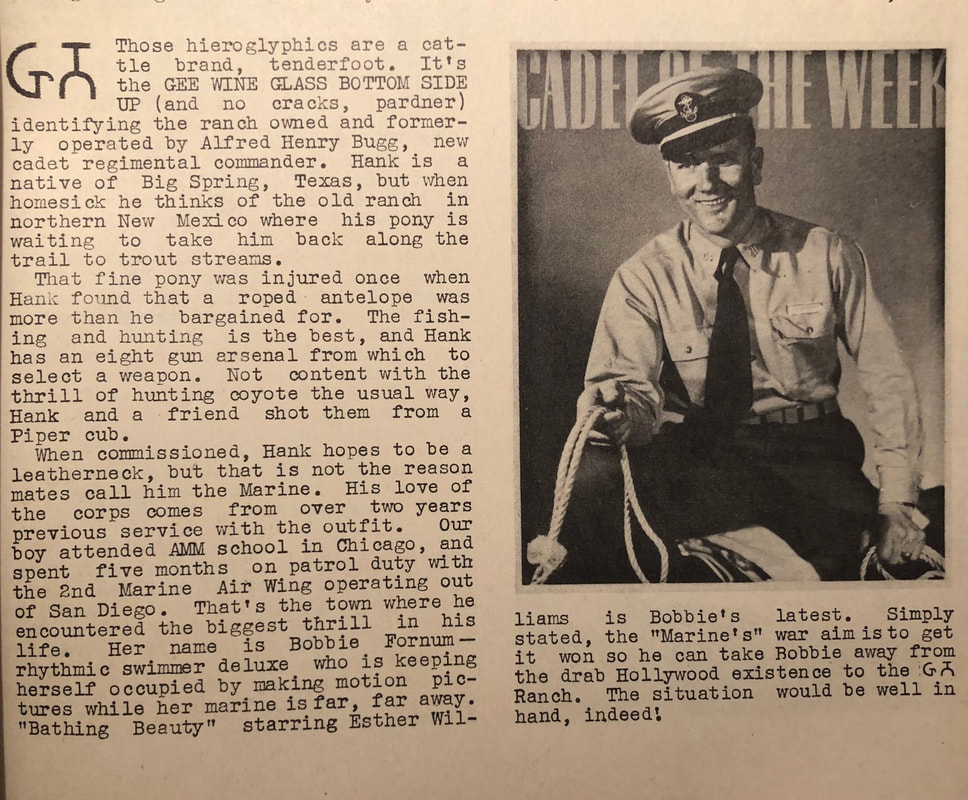 In 1939, at the beginning of World War II, the helmet type being worn by British and Commonwealth soldiers came from a design by John Leopold Brodie that was introduced into service during World War I. By 1941, a new helmet was developed by the Medical Research Council, an organization responsible for coordinating and funding medical research in the United Kingdom. The new Mark III helmet was not made until 1943, and it offered better comfort and protection to the soldier wearing it. First used in combat by British and Canadian soldiers on the Normandy invasion of June 6, 1944, it is often referred to as the "turtle" helmet because of its vague resemblance to a turtle shell. Although it was meant to replace the Brodie helmet, it ended up being worn as an alternate helmet, serving along with the older Brodie designed helmet from June, 1944 until the end of the war. Once the war ended in 1945, the Brodie helmet was finally replaced. During the war, improvements were made to the Mark III, which resulted in the Mark IV helmet. In 1944 production of the Mark III stopped in favor of the newer Mark IV, and it closely resembled the older Mark III. Gradually replacing the Mark III, the differences of the Mark IV included the placement of the chinstrap attachment rivets lower down on the helmet, and also a new liner. This new helmet liner featured a quick release fastener that enabled it to be easily removed and attached to the outer metal shell. More commonly known as the "lift the dot" fastener, it consisted of a stud in the very center of the metal shell that was firmly grasped by a spring-loaded grommet on the liner. Such a design allowed the liner to be easily snapped on and off of the attachment stud. With the liner removed and the chinstrap still attached, the outer shell could be used as an improvised water bucket. As the helmet continued to be used by the British armed forces, another improvement was made in the 1950's, resulting in the Mark V. This version featured an improved and more comfortable helmet liner, but it still kept the "lift the dot" fastener. Older Mark IV helmets could be upgraded to the Mark V simply by replacing the helmet liner. The Mark V would continue to be worn by the British armed forces well into the 1980's, until it was replaced by the modern Mark VI helmet. Our helmet shown in these pictures is a Mark V. 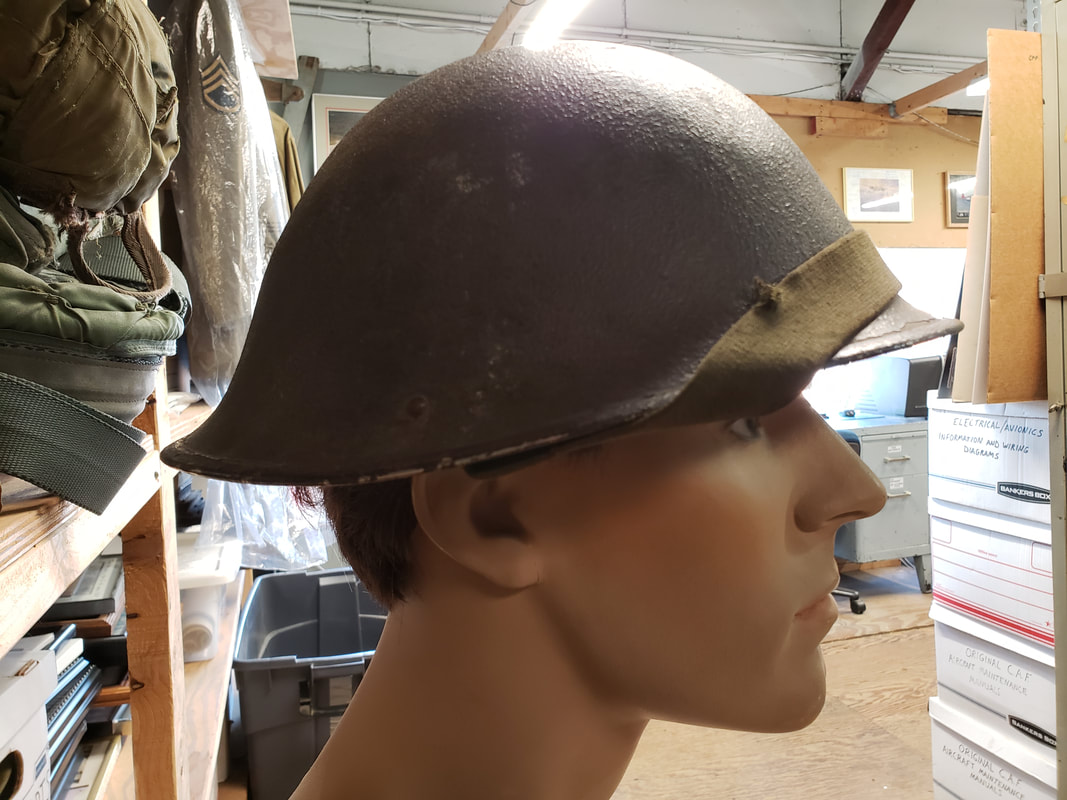 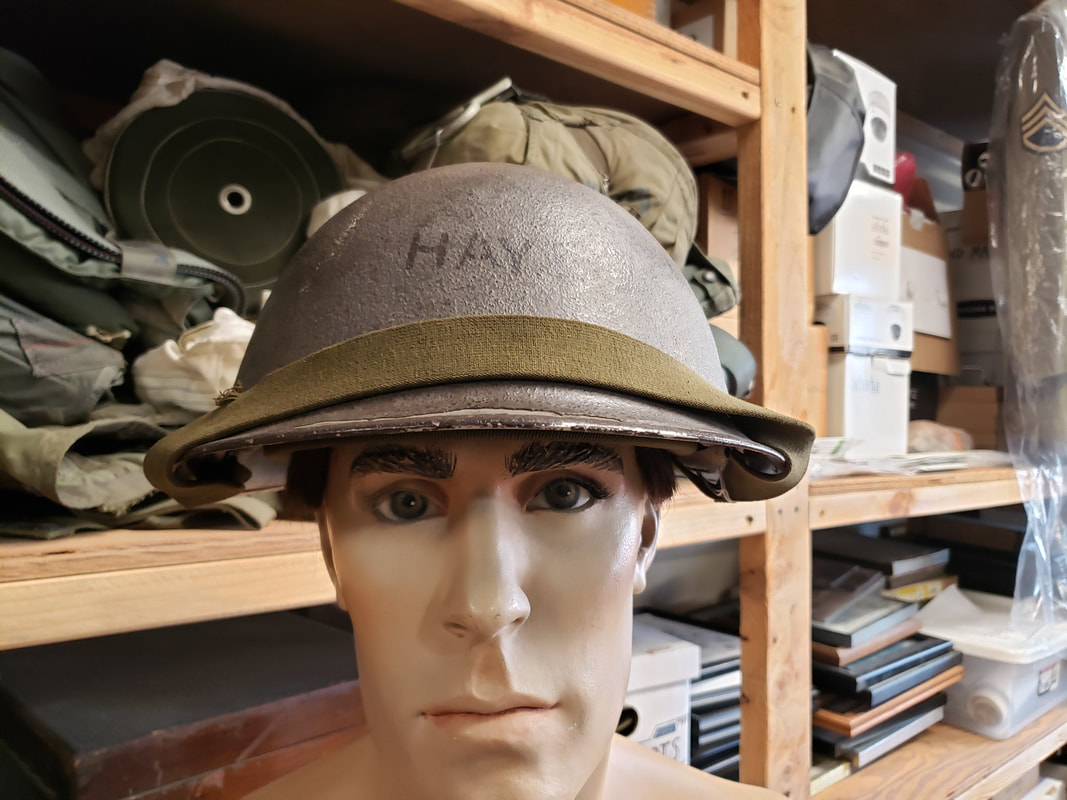 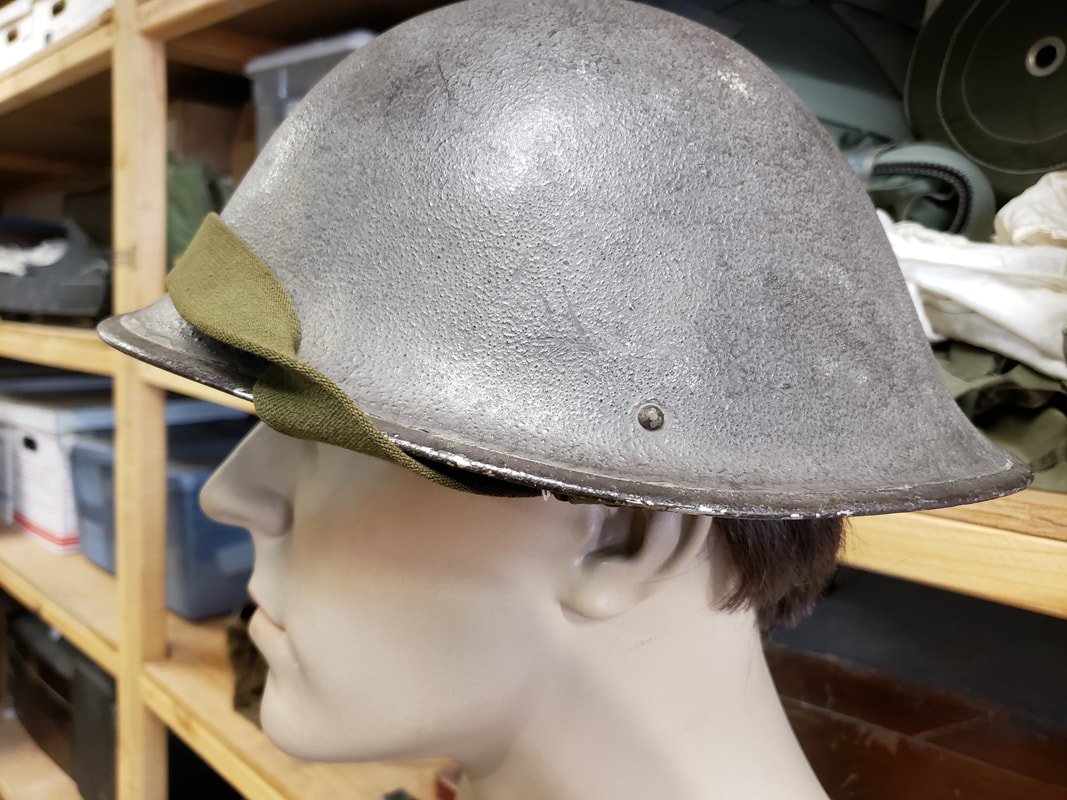 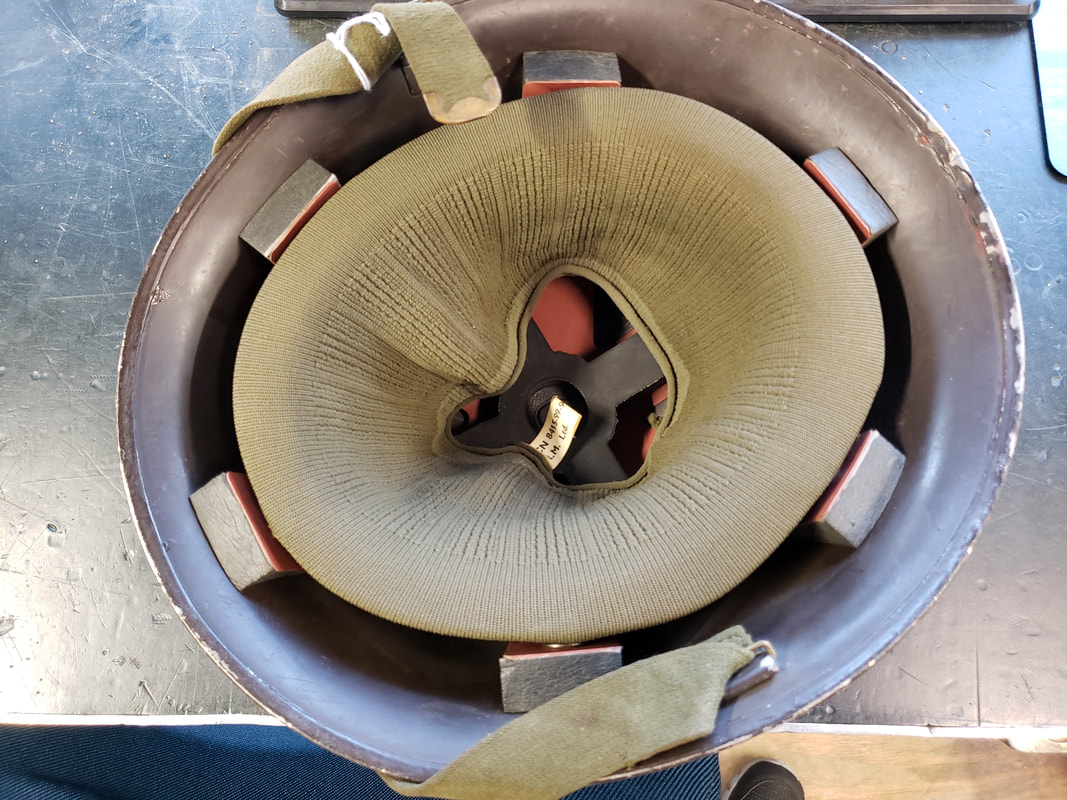 |
AuthorWelcome to the CAF MN Wing Blog. You will find information on projects we are working on, upcoming events, and more. Archives
April 2024
Categories
All
|

 RSS Feed